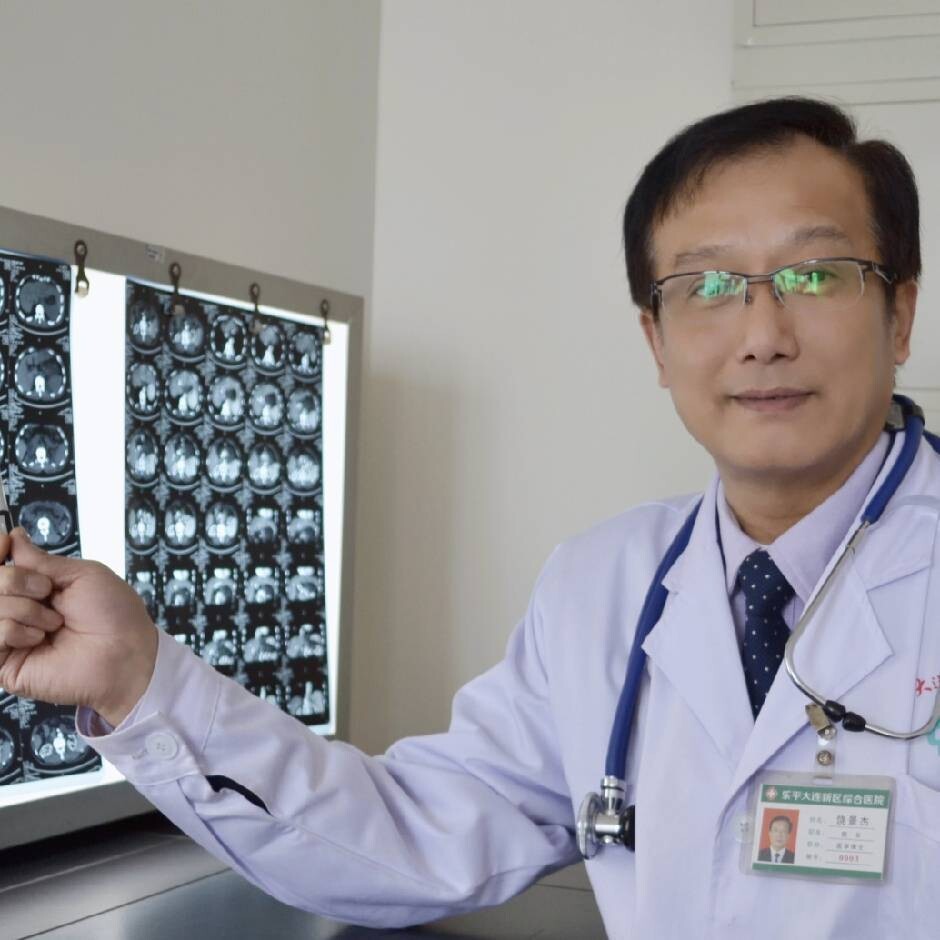
Diagnosis and treatment decisions
Pathology, staging, imaging, molecular testing and overall physical condition help clarify treatment goals and unanswered questions.
 Lushan International Oncology & Rehabilitation Center赣北中西医结合医院Enquire about care
CANCER CARE PATHWAY
Lung cancer care often continues beyond tumor-directed treatment. After surgery or systemic therapy, patients may also face reduced stamina, breathing difficulties, appetite changes, sleep problems and limits in daily activity. Our pathway considers cancer care and functional recovery together through multidisciplinary assessment.
CARE JOURNEY
The questions that matter after diagnosis, during treatment and during recovery are not the same.
Pathology, staging, imaging, molecular testing and overall physical condition help clarify treatment goals and unanswered questions.
Breathing, fatigue, appetite, pain, sleep and activity can affect recovery and deserve attention alongside cancer treatment.
Breathing, endurance, physical capacity and daily activity can be reassessed while remaining connected to follow-up and ongoing oncology care.
HIGH-INTENT QUESTIONS
Explore focused pages for common post-treatment and post-surgery concerns.
Where you are in the treatment journey and what needs attention next
How symptoms after surgery, radiotherapy or drug treatment should be assessed
Whether breathing, stamina or activity limitations need rehabilitation assessment
RELATED CLINICIANS
Explore professional backgrounds and discuss the appropriate appointment with reception.
PATIENT QUESTIONS
Rehabilitation needs can be discussed once the medical team considers the patient clinically stable. Timing and content depend on surgical recovery, breathing status, complications and planned cancer treatment.
Yes. Bring pathology, imaging, treatment records and current medicines so the team can review both the existing plan and current functional concerns.