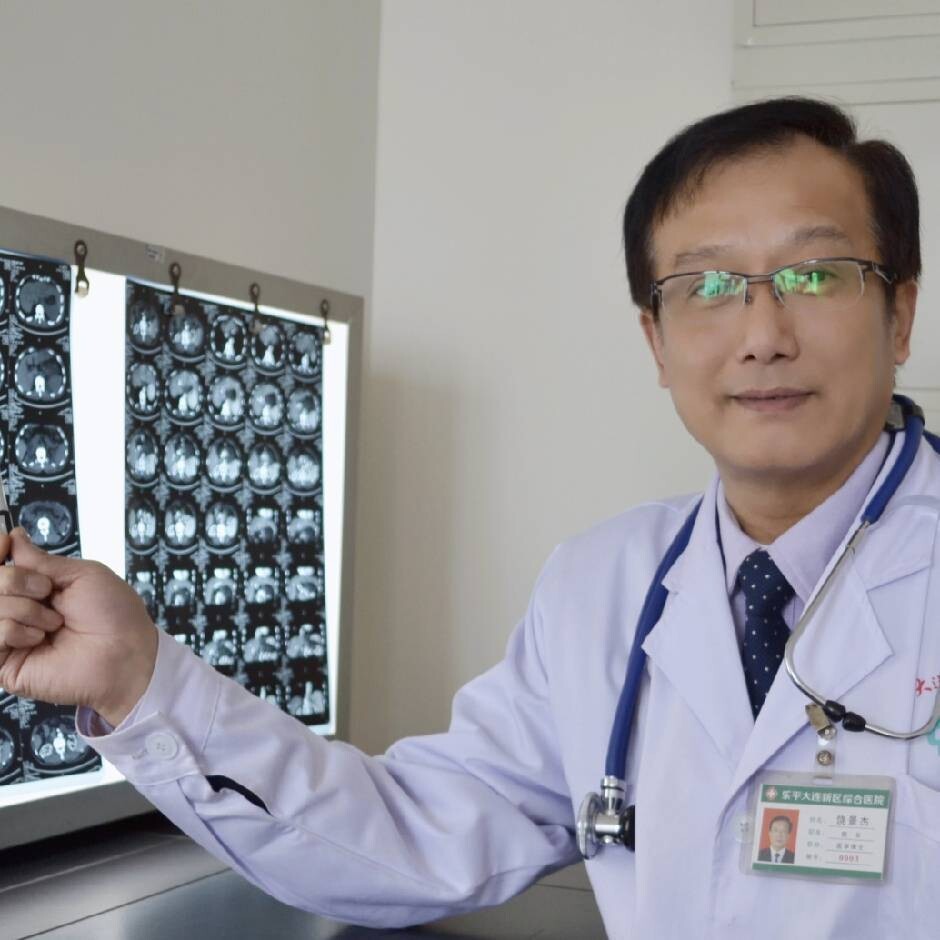
Diagnosis and treatment planning
Pathology, gynecologic assessment and pelvic imaging help define disease status and the specialties needed.
 Lushan International Oncology & Rehabilitation Center赣北中西医结合医院Enquire about care
CANCER CARE PATHWAY
During and after cervical cancer treatment, recovery needs can change over time. Reduced stamina, lower-limb symptoms, pelvic-function concerns, sleep disruption and psychological stress can affect quality of life and may need coordinated follow-up.
CARE JOURNEY
The questions that matter after diagnosis, during treatment and during recovery are not the same.
Pathology, gynecologic assessment and pelvic imaging help define disease status and the specialties needed.
Physical capacity, appetite, sleep, lower-limb symptoms and pelvic-function concerns can affect quality of life and should be discussed.
Function, symptoms and emotional pressure can be reassessed over time to guide rehabilitation and follow-up.
Which specialties should be involved at the current treatment stage
How reduced stamina, lower-limb symptoms or functional concerns should be assessed
How nutrition, sleep and emotional stress fit into follow-up care
RELATED CLINICIANS
Explore professional backgrounds and discuss the appropriate appointment with reception.
PATIENT QUESTIONS
Fatigue may relate to treatment, nutrition, sleep, anemia and other factors. Assessment should consider the overall clinical picture rather than one symptom alone.
That depends on current function, symptoms and recovery. Periodic reassessment can help determine whether ongoing rehabilitation support is appropriate.